
Sanitization Service in Ahmedabad: Process, Benefits & Safety
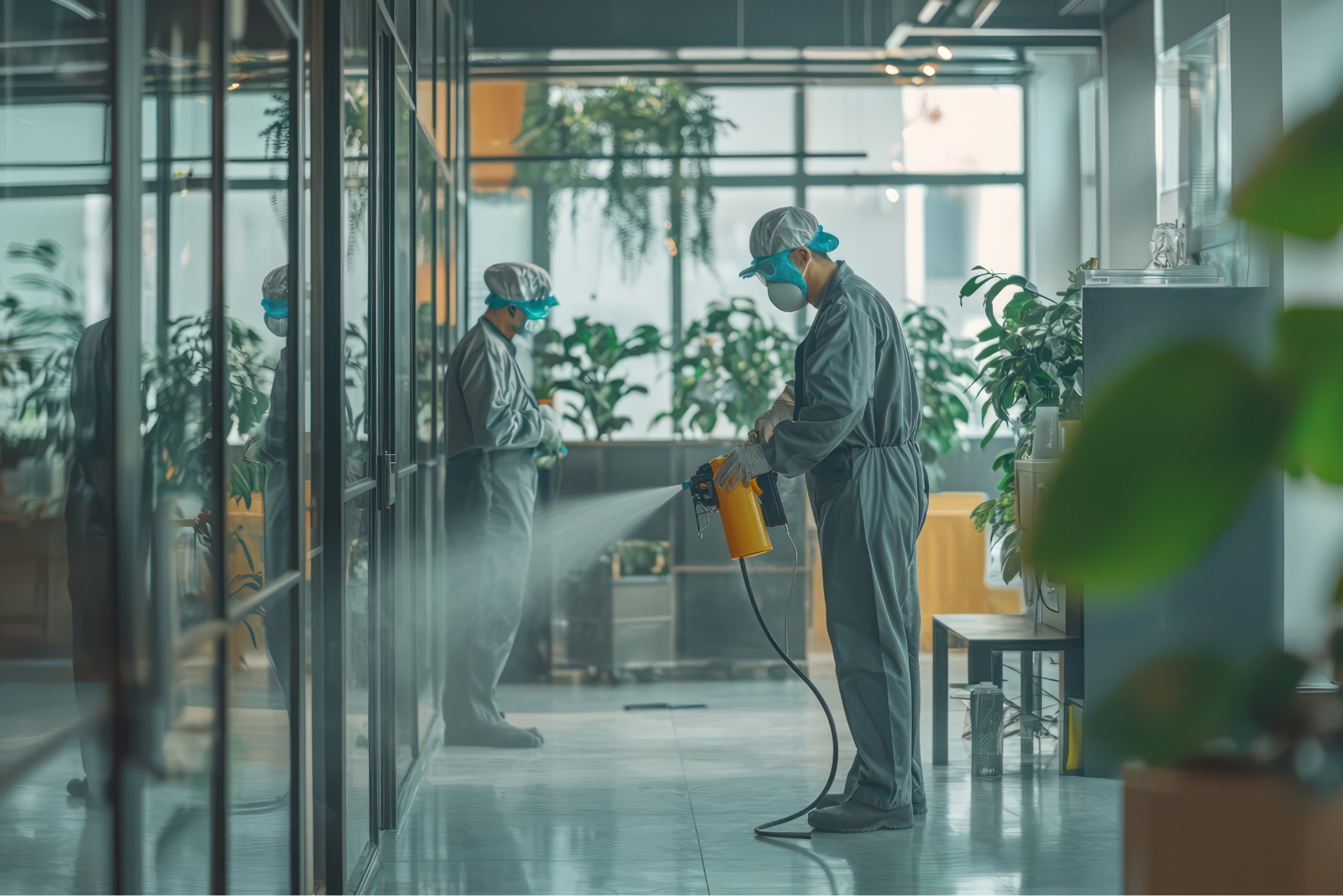
Cleaning up indoor areas is an important aspect of a healthy and comfortable environment. Regular cleaning will remove dust, dirt and visible waste; however, some surfaces may need sanitising or disinfecting, particularly in areas where many people meet the same areas. A professional sanitization service in Ahmedabad can assist in planned cleaning and sanitisation of appropriate surfaces at homes, offices, shops, restaurants, schools, commercial premises and other workplaces.
Sanitization is not just a matter of spraying a chemical all over a room. The type of surface, level of use, condition of area, product instructions and required contact time are all factors that should be taken into account during a proper service. Dirt and organic material can interfere with the disinfecting products, so cleaning should be done first, unless the disinfecting is to be used to clean.
This guide will detail what a sanitization service Ahmedabad entails, when it can be helpful, how sanitization is performed, safety measures to take and when it might be necessary to hire professional service. You can also visit GUJARAT PEST CONTROL SERVICES for professional pest control, sanitization and related services.
What Is Sanitization Service?
Sanitization is the process of decreasing microorganisms on surfaces to a level deemed safe for the intended use of the surface. The related but different process of disinfection involves the destruction or inactivation of microorganisms on surfaces by applying an appropriate product in accordance with its directions. Cleaning, sanitizing and disinfecting are not the same thing.
A professional sanitization & disinfectant service in Ahmedabad may involve several steps rather than one simple application. Depending on the location and requirements, the service may include:
- Inspection of the area before treatment
- Identification of frequently touched surfaces
- Removal of visible dirt and dust
- Cleaning of suitable surfaces
- Application of an appropriate sanitizing or disinfecting product
- Following the required contact or wet time
- Proper ventilation where needed
- Safe handling and storage of products
- Reopening the area after the required safety period
The actual process may differ depending on the type of premises, surface material, product label instructions and reason for the service.
Sanitization vs. Cleaning
There is a difference between cleaning and sanitizing. Cleaning will eliminate dirt, dust, debris and many germs from surfaces. It is typically performed with water, soap or detergent and physical means like scrubbing or wiping.
Sanitization is the process of decreasing the number of microorganisms on a surface to a level that is safe for the intended use. Disinfection is the process of using a suitable disinfectant to destroy or inactivate microorganisms if the disinfectant is used properly.
Cleaning is often the first step in sanitizing or disinfecting. CDC also advises cleaning surfaces prior to disinfection as dirt and impurities can reduce the effectiveness of disinfecting chemicals.
Why Sanitization Is Important for Homes and Workplaces
Regular use of frequently touched surfaces can lead to the accumulation of dirt and microorganisms. Certain surfaces that are touched frequently may require more attention than those that are touched less often, such as door handles, switches, counters, desks, taps, shared equipment and more.
The necessity for sanitization will vary based on the kind of space and its use. The cleaning requirements of a busy office or school or commercial building can differ from those of a private home with less occupants.
A professional service can help to arrange the work based on the real condition and use of the area rather than using the same approach in all instances.
Helps Maintain Cleaner Frequently Touched Areas
High touch areas are touched numerous times throughout the day. These surfaces can be kept cleaner by regular cleaning and appropriate sanitization.
Common examples include:
- Door handles and knobs
- Light switches
- Stair railings
- Lift buttons
- Desks and tables
- Reception counters
- Bathroom taps
- Toilet surfaces
- Shared equipment
- Frequently handled electronic accessories, where compatible with the product instructions
Supports Workplace Hygiene
Employees, customers, visitors and service personnel, regularly use offices, shops and other commercial spaces. A cleaning and sanitizing schedule can help keep things cleaner and minimize dirt and contamination on frequently touched surfaces. However, sanitization needs to be combined with other hygiene measures. Regular cleaning, ventilation and appropriate workplace practices continue to be significant factors in hand hygiene.
Useful After Certain Illness-Related Situations
More cleaning and disinfection may be needed if a person has been obviously sick in a facility or if there is a special need to clean more often. CDC guidelines suggest disinfection in areas where an obvious illness has occurred, and suggests increased frequency of cleaning in high traffic areas. The answer will vary based on the circumstances, and not necessarily mean that every room needs to be heavily disinfected.
Where Can Sanitization Services Be Used?
A sanitization service Ahmedabad can be considered for many types of indoor spaces. The treatment method should always be selected according to the surface, environment and product directions.
Homes and Apartments: Residential areas may require attention to frequently touched surfaces, kitchens, bathrooms, door handles, switches and other commonly used areas. Home sanitization can be useful when:
- The home has many occupants
- There has been an illness-related cleaning requirement
- A house has been vacant for some time
- There are frequently used shared areas
- Regular cleaning needs additional surface disinfection
Not every surface needs the same chemical or treatment method. Electronics, polished materials, fabrics and other sensitive items may require special care.
Offices and Commercial Workspaces: Office environments contain many shared surfaces and equipment. Areas that may need attention include:
- Reception desks
- Workstations
- Meeting tables
- Door handles
- Lift buttons
- Common areas
- Washrooms
- Pantry surfaces
- Shared equipment
A workplace sanitization plan should fit the number of users, frequency of use and cleaning schedule.
Shops and Showrooms:
Retail areas are used by customers regularly, and counters, handles, display areas and surfaces related to payments are used often. Cleaning and sanitizing of frequently touched surfaces may be part of the routine hygiene.
Restaurants and Food Service Areas:
Food-contact surfaces are hygienically sensitive, and special care must be taken when cleaning them in restaurants. Food-contact surfaces should be cleaned in accordance with the applicable product directions and food safety requirements and the cleaning product must be appropriate for the use. Sanitization should not be used as a substitute for regular food hygiene, handwashing, safe food handling and cleaning.
Schools and Educational Spaces:
Classrooms, desks, doors, railings, washrooms and shared facilities in schools may be touched often. A practical cleaning program can be based on high touch surfaces and still have a general cleaning program for the building.
Clinics and Healthcare-Related Areas:
There are more specific infection prevention and cleaning requirements in healthcare settings. The general commercial sanitization service should not be offered as a replacement for healthcare facility protocols. Products, concentrations, contact times, PPE and waste handling and cleaning procedures may be specified for certain healthcare facilities.
Sanitization Service Process in Ahmedabad
A professional sanitization & disinfectant service Ahmedabad should follow a planned process rather than applying products randomly.
The exact procedure can differ from one location to another, but a typical service may involve the following steps.
1. Area Inspection
The first step is to understand the space. The technician can check:
- Size and layout of the area
- Frequently touched surfaces
- Visible dirt or contamination
- Surface materials
- Furniture and equipment
- Ventilation
- Occupancy and usage
- Areas requiring special attention
This information helps determine the appropriate cleaning and sanitization approach.
2. Preparing the Area
Items that are not necessary for the work can be removed from the work area prior to treatment. Food, personal items, sensitive equipment and other materials should be protected or removed as necessary. The technician should also determine surfaces that should not be in contact with a specific product. It is important to prepare, as sanitizing or disinfecting chemicals are not suitable for all materials.
3. Application of the Appropriate Product
The product chosen should be appropriate for the surface and use. The application may differ depending on the product and the surface. This can be done by wiping, mopping or another label approved method. Do not take it for granted that spraying or fogging is always the answer. CDC guidance indicates that fogging, fumigation and wide area or electrostatic spraying are generally not recommended as primary surface disinfection methods, except as directed by the product label.
4. Required Contact Time
Contact time is one of the things that is often forgotten in disinfection. In general, the surface must be kept moist with the product for the duration indicated in the product instructions. If the product is wiped away too soon, it may not be as effective. The appropriate contact time is dependent on the product and the microorganism being treated. Therefore, the technician should always adhere to the product label instructions and not rely on a single time for all situations.
5. Ventilation and Safety Measures
Proper ventilation will minimize exposure to cleaning and disinfecting products. Use of windows, doors or appropriate ventilation systems may be used to enhance air circulation depending on area and product instructions. PPE recommended for the products being handled should also be used by workers. CDC recommends using product labels and information on the Safety Data Sheet to decide on the type of protective equipment needed.
6. Final Inspection
The area can be inspected following treatment to ensure that the appropriate surfaces are treated. The technician may also be able to determine if further cleaning, ventilation or waiting is necessary before the product is used normally. Only reopen space as per product instructions and safety requirements.
Important Safety Tips during Sanitization
Always put safety first. Do not use more chemical than recommended, as that will not necessarily give better results. Incorrect concentrations, poor ventilation or mixing incompatible products can create unnecessary risks.
Do Not Mix Cleaning Chemicals
Do not combine various cleaning or disinfecting products unless the manufacturer of the product indicates compatibility. Bleach should not be combined with ammonia or other incompatible chemicals, for instance. Such mixtures can produce hazardous gases. EPA and WHO both caution against combining disinfectants or cleaning products.
Follow the Product Label
The label should provide information about:
- Where the product can be used
- Dilution requirements
- Contact time
- Safety precautions
- Required PPE
- Storage requirements
- Surfaces that should be avoided
Keep People Away During Treatment When Required
When the product instructions call for it, occupants, children and pets should be kept away from treated areas. The area can only be used again after the necessary drying, ventilation or waiting period.
Protect Sensitive Surfaces
Some products may damage:
- Electronics
- Metals
- Natural stone
- Painted surfaces
- Wood
- Fabrics
- Plastics
- Food-contact materials
How Often Should Sanitization Be Done?
There is no single sanitization schedule that is suitable for every home or business. The required frequency depends on factors such as:
- Number of people using the space
- Frequency of surface contact
- Type of premises
- Cleaning routine
- Nature of activities
- Previous contamination
- Specific hygiene requirements
- Local or industry-specific guidelines
A high traffic office or commercial building might require a higher frequency of cleaning of high-touch surfaces than a lightly used private room. Sometimes, regular cleaning may be enough. Further disinfection may be needed if a person is ill or has special hygiene needs. CDC recommends more frequent cleaning of high-traffic areas and disinfection in areas where people have been obviously ill.
Rather than selecting a fixed schedule just because, it sounds good, it is more sensible, to establish a schedule that reflects the actual usage of the area.
Sanitization vs. Fogging: Are They the Same?
It is not advisable to assume that sanitization and fogging are the same service. Fogging is the application of a product by using special equipment. Appropriateness will depend on the product label, intended use, site conditions and applicable safety requirements. CDC recommends that fogging and wide area spraying are not recommended as a primary method of surface disinfection unless stated on the product label.
Therefore, it is important for the professional to know the purpose of the treatment before deciding on fogging. Direct cleaning and appropriate surface disinfection method may be more appropriate if the goal is to clean frequently touched surfaces.
Benefits of Professional Sanitization Service
When a space needs systematic cleaning and disinfection and the people in the space do not have the time, equipment or product knowledge to do the job, professional service can be helpful. To get sanitization and disinfectant and pest control services in Ahmedabad and nearby areas, visit GUJARAT PEST CONTROL SERVICES.
Potential benefits include:
Systematic Surface Treatment:
Commonly touched surfaces can be identified and a planned process followed rather than treating random surfaces.
Proper Product Use:
Appropriate product selection, dilution and contact time are critical. Service personnel can adhere to product-specific instructions.
Attention to High-Touch Areas:
Additional cleaning may be provided for frequently touched surfaces as part of the cleaning plan.
Better Convenience:
In the case of offices and commercial buildings, professional services can help minimize the amount of specialized cleaning duties that must be performed by employees.
Safety-Focused Application:
Appropriate PPE, ventilation and chemical handling and storage procedures minimize unnecessary exposure risks. However, professional sanitizing should be used in conjunction with regular cleaning and hygiene, not in place of it.
What You Can Do After Professional Sanitization
Cleaning up the inside of your home is just one aspect of a cleaner environment. Follow normal hygiene after service.
Maintain Routine Cleaning:
Clean regularly used surfaces as per the usual cleaning routine for your premises.
Improve Hand Hygiene:
Promote frequent hand washing, particularly after sharing facilities and before handling food, eating.
Keep Frequently Used Areas Organized:
Cleaning can be a challenge when there’s clutter. Accessible surfaces allow for easy routine cleaning.
Maintain Suitable Ventilation:
Good ventilation can help to maintain good indoor air quality and may also help to limit exposure to cleaning products during and after cleaning if the outdoor environment is suitable.
Clean High-Touch Surfaces Regularly:
Do not wait for a professional service before cleaning handles, switches, counters, taps and other frequently touched areas.
Common Mistakes to Avoid
Many sanitization problems happen because the process is treated as a simple chemical spray. Avoid these common mistakes:
- Clean the surface first when required.
- Follow the product’s recommended concentration.
- Never mix cleaning or disinfecting chemicals unless specifically permitted by the manufacturer.
- Allow the product to remain on the surface for the required time.
- Different materials may require different methods.
- Ventilation can be an important safety measure during and after chemical use.
- Follow the product’s instructions for drying, ventilation and re-entry.
- Regular cleaning remains an important part of hygiene.
Final Thoughts
A sanitization program is more than just spraying a chemical in a room. It requires knowledge of the area, proper cleaning, choosing the right product, the right application technique, the proper contact time, and proper safety precautions.
In the home, office and commercial settings, the emphasis should be on functional hygiene, not unwarranted applications of chemicals. Regular attention should be given to frequently touched surfaces and additional disinfection may be used when necessary.
When looking for sanitization service Ahmedabad for home, office or commercial properties, the first step is to discuss the area, types of surfaces, the purpose of sanitization and necessary precautions with the sanitary service provider.
FAQs about Sanitization Service in Ahmedabad
A sanitization service is a cleaning and treatment of appropriate surfaces to lower the amount of microorganisms based on the surface and product to be sanitized. The specific process will vary depending on the surface, premises and treatment goal.
Sanitization is the process of reducing the amount of microorganisms to a level deemed safe for the intended use, while disinfection is the process of using an appropriate product to kill or inactivate microorganisms on surfaces. Cleaning eliminates dirt and impurities and may be a crucial initial step.
Sanitization services can be performed on homes, apartments, offices, shops, restaurants, schools and other appropriate commercial buildings. The treatment method should be chosen based on the type of premises and surface.
Not necessarily. The frequency of cleaning will vary based on the type of space, traffic, surface contact, cleaning schedule and hygiene needs. More frequent cleaning may be required for high touch surfaces than for less frequently touched surfaces.
A typical process would involve an inspection of the area, preparation, cleaning, application of an appropriate product, necessary contact time, ventilation and final checks. The process may differ depending upon premises and product instructions.
Safety will vary according to the product and application. When necessary, children and pets should be kept out of treated areas, according to the instructions on the product. The area should be left to dry and ventilate as directed prior to use.
Mixing cleaning and disinfecting products is not recommended unless the manufacturer states they are compatible. Some chemicals may release toxic gases when mixed.
Yes. Cleaning gets rid of dirt, dust and organic matter that can prevent some sanitizing/disinfecting products from working.
Sanitization should not replace routine cleaning. Dirt and dust should be removed by the proper cleaning methods before sanitizing or disinfecting the surface.
Yes. Sanitization or disinfection services can be provided to offices for appropriate surfaces like desks, counters, handles, switches and shared spaces. The method should be chosen based on the surface and product instructions.
No. Fogging is not a requirement for surface sanitisation. CDC recommends that fogging and wide-area spraying are generally not recommended as primary surface-disinfection methods unless the product label allows for these methods.
No fixed waiting time. The re-entry will depend on the product instructions, application, drying time and ventilation requirements. The technician should provide clear instructions before the area is used again.
There are special handling requirements for some electronic equipment. The product label should indicate if it is applicable to the specific surface. Sensitive equipment may require protection or treatment by means of an appropriate method.
The cost can vary based on the size of the area, type of premises, treatment requirements, number of rooms and service method. A site assessment can provide a more accurate estimate.
No, regular cleaning is still a concern. Routine cleaning and good hygiene practices should not be replaced by sanitization or disinfection, but may be used as an additional measure if appropriate.