
Mosquito Control Treatment in Ahmedabad: What You Need to Know
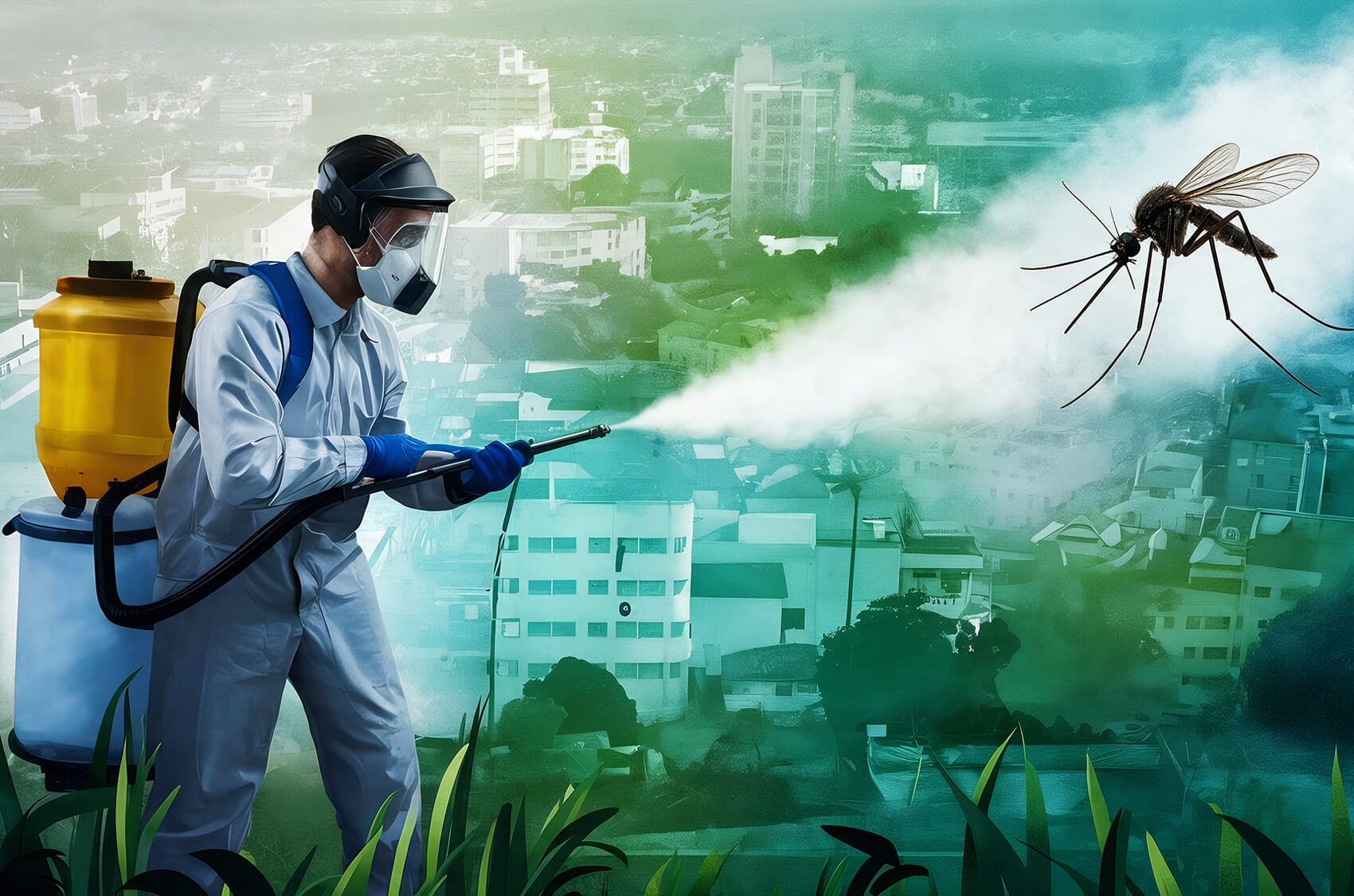
Mosquitoes are more than just an annoyance in the summer. These can be a routine annoyance in households, workplaces, residences, educational institutions, restaurants, hospitals, workplaces, and other commercial buildings and sites. Mosquito populations can increase and breeding conditions are favourable where standing water, blocked drains, open containers, wet spots, and poor water management occur.
If mosquito activity increases to a regular occurrence, standard household actions alone may not be sufficient to control them. A competent Mosquito Control Service in Ahmedabad can assist in finding out breeding and resting grounds, spraying affected places and minimizing mosquito activity by proper pest management practices.
Spraying adult mosquitoes is not the only way to control mosquitoes. A practical solution also involves identifying possible breeding sites and habitat that will enable mosquitoes to get back in. Inspection, treatment and prevention are therefore important components of mosquito management.
This guide describes the science of mosquito control, when professional treatment might be required, common treatments, preparation, prevention tips and considerations for arranging a mosquito control treatment in Ahmedabad.
Why Mosquito Control Is Important
Under optimal conditions, mosquitoes can multiply rapidly. Any stagnant water, no matter how small, can be a breeding spot under the right conditions.
Common mosquito breeding areas around homes and commercial spaces include:
- Water stored in open buckets or containers
- Flowerpot trays
- Roof drains and gutters
- Blocked drainage areas
- Water tanks and tank covers
- Discarded tyres
- Construction materials that collect rainwater
- Coolers and their water reservoirs
- Plant containers
- Open pits and low-lying areas
- Drainage channels
- Unused equipment that holds water
During the day, mosquitoes can also hide in cool, protected areas of shade. Suitable resting places may be found in areas of thick vegetation, storage areas, corners and other protected areas.
Therefore, killing mosquitoes only when you see them can be a limited solution. A more comprehensive strategy takes into account the activity of the mosquitoes in addition to the conditions that favour breeding.
Mosquitoes around Homes
Bedrooms, balconies, gardens, terraces and outdoor spaces can all be a problem with residential mosquitoes. Mosquitoes can be brought in through open windows and doors or stay near to any breeding areas. Eliminating standing water, covering water containers, keeping window screens in place and keeping waterways clean can help minimize the mosquito population. If the mosquitoes keep showing up, even after doing this, it may be beneficial to hire a professional for inspection and treatment.
Mosquitoes in Offices and Commercial Spaces
There could be larger surface areas that collect water in commercial buildings such as offices, restaurants, schools, hospitals, factories, etc. There are various areas of the landscape that may need attention including outdoor landscaping, drainage systems, parking areas, rooftops and service areas. A Mosquito Control Service Ahmedabad service provider can evaluate these areas and suggest treatment as per the location, level of mosquito activity, and site conditions.
Common Signs of a Mosquito Problem
Determining the source of a mosquito problem can be difficult at times. There are, however, some signs that can be used to determine that the activity of the mosquitoes is increasing.
Frequent Mosquito Sightings:
Regular sighting of mosquitoes, particularly in multiple locations in a home or workplace, can mean that there are breeding or resting sites nearby. Focus on places where mosquitoes are frequently found. These areas can be used to determine where an additional inspection is required.
Increased Mosquitoes after Rain:
Rain may cause temporary water accumulations in containers, drains, rooftops, gardens, construction sites and other outdoor places. After rain, look for areas of standing water and where it may not drain quickly and increase mosquito activity.
Mosquitoes around Outdoor Areas:
Water can turn any garden, balcony, parking area, terrace or landscaped space into a mosquito breeding ground. Not all plants are necessarily the source. Water that is gathered in trays, containers, drains or other nearby areas is often the source of the problem.
Bites during Different Times of the Day:
Activity of mosquitoes varies among species. Some are active during the day; others are more active near dawn, dusk or at night. Chronic biting does not distinguish the species of mosquito or its breeding source, but may be an indication to check the area around the house.
What Causes Mosquitoes to Increase?
Environmental conditions are important factors in controlling mosquito populations. Learning about these conditions can help make prevention easier.
Stagnant Water:
One of the most important conditions that is associated with mosquito breeding is standing water. Regularly inspect:
- Plant trays
- Buckets
- Water storage containers
- Drains
- Rooftops
- Construction sites
- Discarded items
- Coolers
- Outdoor equipment
Do not neglect any water collection, no matter how small.
Poor Drainage:
Clogged or backed-up drains can leave water standing for long periods. Frequent cleaning and drainage measures can minimize breeding opportunities.
Overgrown Vegetation:
Mosquitoes may find resting places in dense vegetation, which can provide shade. Maintaining gardens and other spaces around them can make them less conducive to resting.
Uncovered Water Storage:
Open water storage containers can be a breeding site. Water tanks, drums and containers should be covered.
Seasonal Weather Conditions:
Mosquitoes can be active in warm, humid weather. Water may also be accumulating in outdoor containers or low areas due to rain, which can lead to new breeding sites. This is why it may be necessary to prioritize mosquito control more during and after the monsoons.
How Mosquito Control Treatment Works
Professional mosquito control generally starts with an inspection rather than immediately applying treatment everywhere.
This may be repeated on several days, depending on the amount of mosquito activity or where it is located, but a typical procedure might be as follows:
1. Site Inspection
The first step is to identify areas where mosquitoes are active or may be breeding.
An inspection may focus on:
- Stagnant water
- Drains
- Gardens
- Rooftops
- Parking areas
- Water storage areas
- Outdoor corners
- Shaded locations
- Waste accumulation areas
The inspection helps determine which areas require attention.
2. Identifying Breeding Sources
Identification and control of breeding sources is a key component of mosquito control. Where possible, standing water should be eliminated and containers emptied and drainage problems corrected. Depending upon site conditions, additional treatment may be necessary in some areas.
3. Treatment of Suitable Areas
Depending on the inspection, pest control will be able to use targeted treatments on mosquito resting areas, or on other appropriate sites. There are a variety of treatment options depending on the site, mosquito activity, environmental conditions and safety considerations.
4. Follow-Up Prevention
If new breeding sites are continually occurring, treatment alone may not be the long-term answer. Owners and tenants of property should periodically monitor for stagnant water and continue to maintain drainage and water storage areas after treatment.
How to Prepare for Mosquito Control Treatment
Preparing the area before treatment can make the service easier and safer. Before the treatment, ask the service provider about any specific preparation instructions. Depending on the treatment method, you may need to:
- Remove unnecessary items from treatment areas.
- Cover or store food and drinking water.
- Keep children and pets away from treatment areas during application.
- Close or protect areas that should not receive treatment.
- Inform the technician about water storage areas.
- Point out locations where mosquito activity is frequently noticed.
- Follow any ventilation or re-entry instructions provided after treatment.
Do not assume that every mosquito treatment requires the same preparation. Requirements depend on the treatment method, product, and location.
How Long Does Mosquito Control Treatment Take?
Treatment time varies with size and type of area to be treated, mosquito activity and method used. Treatment time is approximately 30 minutes to 1 hour for many residential or smaller sites, but can take longer for commercial or industrial sites.
A professional inspection can provide a more accurate estimate after considering the actual site conditions. Treatment duration is not the only criteria for evaluating a mosquito control service. Good inspection and care of breeding sites is also essential.
How Often Should Mosquito Control Be Done?
There is no single treatment schedule that works for every location. For homes and businesses, mosquito control may be required more frequently during the monsoon season because rainfall can create new breeding sites.
Depending on local conditions, some locations may require treatment monthly during high mosquito activity, while treatment during other periods may be needed every 1 to 3 months.
The appropriate frequency depends on factors such as:
- Mosquito activity
- Rainfall
- Standing water
- Drainage conditions
- Landscaping
- Location size
- Nearby breeding sources
- Type of premises
Regular inspection can help determine when additional treatment is necessary.
Mosquito Prevention Tips for Homes and Businesses
Professional treatment will help to diminish the activity of mosquitoes, but prevention should be continued after treatment.
Remove Standing Water Regularly:
Inspect for containers or water-holding places at least once a week. Be extra vigilant after a rain.
Keep Water Containers Covered:
Water tanks, drums, buckets and other storage containers should be properly covered to keep the mosquitoes from getting at the water.
Clean Drains and Gutters:
Water can accumulate in blocked drains and provide ideal breeding conditions. Regular maintenance can help to prevent water build-up.
Check Plant Pots and Trays:
Regularly remove water from plant trays and containers. Never let water stand for extended periods.
Maintain Gardens:
Remove and maintain cleanliness of outdoor areas. Eliminate any extra containers or waste that can hold rainwater.
Use Window and Door Screens:
Proper screens can help reduce mosquito entry into indoor areas.
Check Construction and Outdoor Areas:
Construction materials, discarded containers, tyres, pipes, and other objects can collect rainwater. These should be stored properly or removed when no longer needed.
Monitor Problem Areas:
If mosquitoes are found in the same place repeatedly, look around the area rather than just at the mosquitoes themselves.
When Should You Consider Professional Mosquito Control?
Professional treatment may be worth considering when mosquito activity remains high despite regular cleaning and prevention.
You may consider arranging a mosquito control treatment Ahmedabad service when:
- Mosquitoes are frequently seen indoors and outdoors.
- Bites are becoming a regular problem.
- Mosquito activity increases after rainfall.
- The source of mosquito activity is difficult to identify.
- The premises have large outdoor areas.
- Drains or water collection areas are difficult to manage.
- A commercial space needs a planned pest management approach.
- Regular household measures are not providing enough reduction.
A professional inspection can help identify the likely sources and determine suitable treatment options.
Choosing a Mosquito Control Service in Ahmedabad
When selecting a mosquito control provider, focus on the actual service process rather than only the advertised treatment name.
Consider asking:
- Does the service include an inspection?
- Will the technician check possible breeding areas?
- Which treatment method is recommended for the site?
- What preparation is required?
- Are there any re-entry instructions?
- How should stagnant water be managed after treatment?
- Is follow-up treatment recommended?
- Is the treatment suitable for residential or commercial use?
A good mosquito management plan should consider the specific site rather than applying the same method everywhere.
For professional pest management services for homes and businesses, you can also visit GUJARAT PEST CONTROL SERVICES for information about available services in Ahmedabad and Gandhinagar.
Common Mistakes to Avoid
Some mosquito control efforts fail because the breeding source is overlooked.
Only Killing Visible Mosquitoes:
Spraying visible mosquitoes can provide temporary relief, but it may not address breeding areas.
Ignoring Small Amounts of Water:
Small containers, trays, drains, and discarded items can hold enough water to support mosquito breeding.
Treating Once and Ignoring Prevention:
Mosquito activity can return if new breeding sites develop after treatment.
Using More Chemical Than Recommended:
Using extra pesticide does not necessarily make treatment more effective. Pest control products should always be used according to their label directions and professional guidance.
Ignoring Nearby Areas:
Mosquitoes can move between nearby outdoor areas. Treating only one room while ignoring surrounding breeding and resting locations may not address the broader problem.
Final Thoughts
Mosquito management is more than just treating the mosquitoes that are present during service. Knowing where to look for breeding sites, controlling stagnant water, treating appropriate sites, and implementing preventive measures can be a more practical way to decrease mosquito activity.
The concern can be a home, office space, apartment, restaurant, school, hospital, factory or any other business area, and the treatment should be specific to the site.
If mosquito activity persists despite regular prevention measures, a professional Mosquito Control Service Ahmedabad can assess the property and suggest appropriate treatment methods. Professional treatment in conjunction with regular prevention will help to keep mosquito activity under better control all year long.
FAQs about Mosquito Control Service
A Mosquito Control Service in Ahmedabad includes both inspection and treatment practices that are implemented to lower the mosquito activity in and around homes, offices, commercial establishments and other premises. The service can involve the identification of breeding sites, treatment of appropriate sites and suggestions for prevention.
Mosquito control is a broader approach that includes prevention, breeding-site management, and treatment. Mosquito treatment generally refers to the specific pest control methods used to reduce mosquito activity.
The process usually begins with an inspection to determine that there is mosquito activity and potential breeding sites. Where necessary, appropriate treatments can then be applied, and recommendations made to limit future breeding.
Treatment time will vary according to the size of the treatment area, mosquito activity and treatment method. Smaller residential treatments can take anywhere from 30 minutes to 1 hour, and larger treatments can take longer.
The frequency is determined by the activity of the mosquitoes, rainfall, drainage and the environment. In times of high activity, some sites may need to be treated on a monthly basis and others on a 1-3 month basis.
Yes. Mosquito control can be provided in offices, restaurants, schools, hospitals, factories, apartments and other commercial or institutional facilities. The treatment approach depends on the size and conditions of the site.
Follow the instructions for preparation given by the pest control person. Some general precautions are: cover food and drinking water, keep children and pets away during treatment, and make treatment areas accessible.
Yes. Treatment will diminish existing mosquito activity, but when new breeding areas are created, mosquitoes can return. Permanent control is important and includes removal of stagnant water and maintenance of drainage.
Periodic monitoring may be beneficial particularly when it is wet or there is lots of mosquito activity. The frequency required is based on the location and environmental conditions.
The most effective ways to prevent the spread of diseases are to eliminate stagnant water, cover stored water, clean drains, keep gardens in good condition, inspect outdoor containers, and fix drainage issues.