
Rodent Control Service in Ahmedabad: Effective Treatment & Prevention Tips
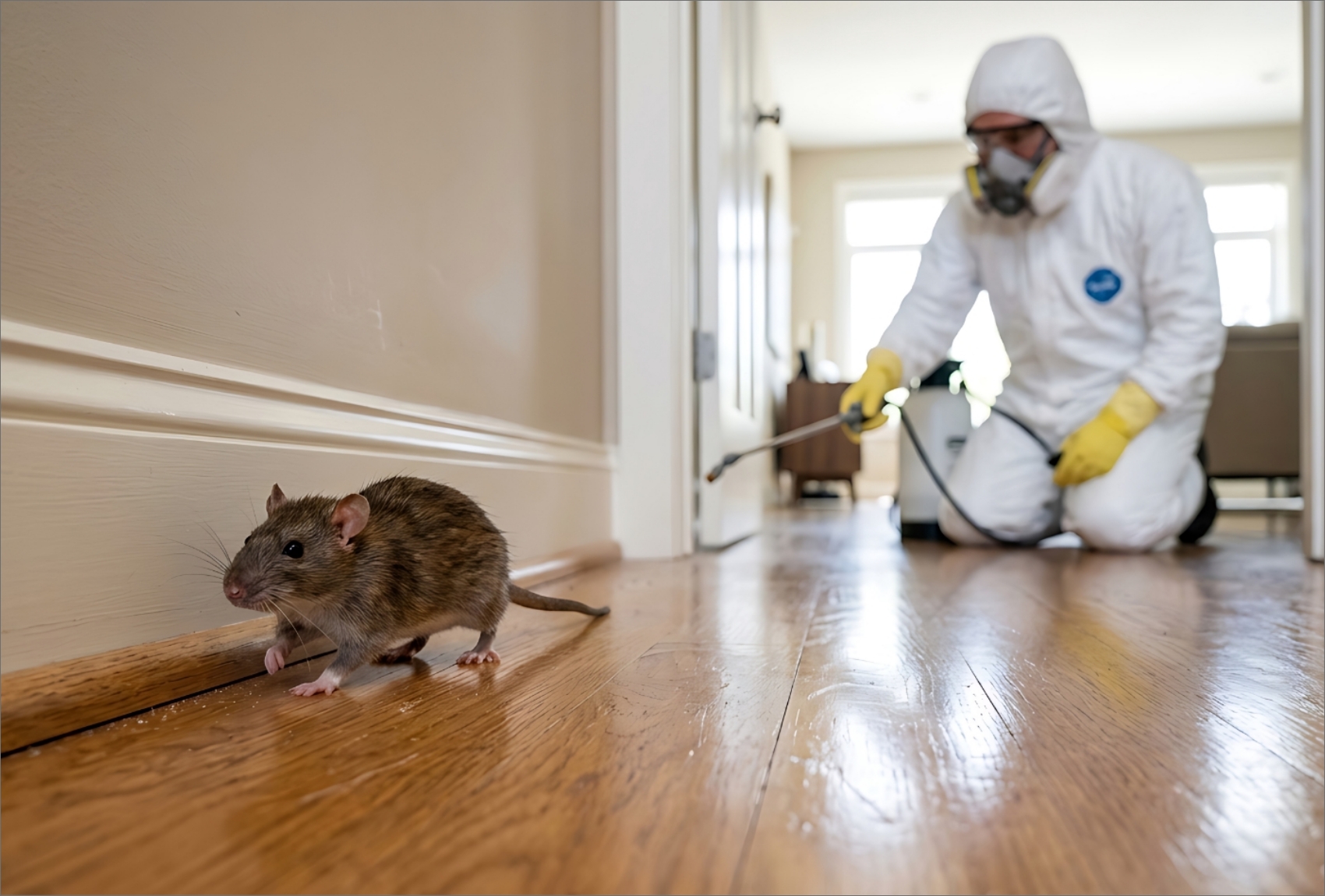
Rats and mice can be a serious problem in homes, offices, shops, restaurants, warehouses and other buildings. They may contaminate food, ruin stored items, gnaw on electrical wires and leave droppings and urine in concealed places. If rodents have discovered a consistent supply of food, water and shelter, they may be hard to control using basic home remedies.
Buildings in a developing city such as Ahmedabad can have numerous entry points for rodents. Easily accessible areas include open drains, garbage areas, construction openings, storage areas, utility openings, and poorly sealed doors. Some spots may be more appealing to rats and mice due to food availability or the presence of food storage areas.
Control of rodents is not just a matter of eliminating the rodents that can be seen. A good solution also seeks to discover where they are coming from, where they are hiding and what is drawing them to the building.
It is here that the expert services of Rodent Control Service in Ahmedabad can be of assistance. A professional pest control team will be able to assess the affected area, look for signs of rodent infestation, suggest the best approach to treatment and offer effective prevention tips.
For professional pest control services in Ahmedabad and Gandhinagar, you can also check out GUJARAT PEST CONTROL SERVICES to know about the services offered.
Why Rodent Control Is Important for Homes and Businesses
If you see a rat or mouse once, it does not necessarily indicate that you have a large infestation. However, if there are repeated sightings, droppings, gnaw marks, unusual sounds, or damaged packaging; it may mean that rodents are active in the area.
Not addressing these signs can lead to the issue going unnoticed.
Rodents are mainly attracted to three things:
- Food
- Water
- Shelter
Rodents may return to the same area if these resources are readily available.
Rodents Can Contaminate Food and Surfaces
Rats and mice can invade a building from drains, garbage areas, storage areas, and other unsanitary areas. They leave behind droppings, urine and contact with food or food contact surfaces that can pose sanitation issues.
This is particularly important for:
- Restaurants
- Food storage areas
- Grocery shops
- Hotels
- Commercial kitchens
- Warehouses
- Food processing areas
- Offices with pantry facilities
Therefore, good cleaning practices and proper food storage should be used in conjunction with rodent control measures.
Rodents Can Damage Wires and Materials
Rodents often gnaw on materials because their teeth grow continuously. Damage to electrical wires, plastics, cardboard, insulation, packaging and stored goods is possible. Chewed electrical cables may also pose an electrical safety hazard, especially when electrical wiring is exposed or inadequately protected.
Rodents Can Reproduce Quickly
If food, water and nesting sites are left available a small rodent problem can become more challenging. Therefore, taking action is typically more feasible than waiting until rodents are seen on a regular basis.
Common Signs of Rodent Infestation
Rats and mice are nocturnal, and tend to be active when people are not. This means that you might see activity before you actually see the rodent.
Look for the following warning signs.
Rodent Droppings:
Rodent activity can be detected by small, dark stains around cabinets, storage areas, corners, shelves, or food storage areas. Recent droppings may indicate recent activity, and older droppings may mean that rodents have been in the area before.
Gnaw Marks:
Check for bite or gnaw marks on:
- Food packaging
- Cardboard boxes
- Plastic containers
- Wooden surfaces
- Electrical cables
- Pipes and insulation
- Stored materials
Damaged packaging is particularly important because rodents may enter food storage areas looking for accessible food.
Scratching or Movement Sounds:
Scratching, squeaking or movement noises may be heard from ceilings, false ceilings, walls, cupboards or storage areas. Such sounds may be more prominent in quiet surroundings at night.
Grease Marks and Smudge Marks:
Rodents will frequently move back and forth along narrow paths and walls. They can leave dark or greasy marks on their trail. Inspect corners, edges of the walls, behind equipment and around storage areas.
Unusual Odour:
When rodents have been nesting in hidden places, an unpleasant odor in a closed area may be associated with rodent activity.
Nesting Material:
Paper, cardboard, cloth, insulation, packaging material or other soft materials can be used to make nests. If shredded material is found in a quiet or hidden place, it can be a red flag.
Common Places Where Rats and Mice Hide
Rodents typically hide in places where they can find food or water.
Common hiding places include:
- Behind refrigerators and other appliances
- Under kitchen cabinets
- Inside storage rooms
- Behind cupboards
- Near garbage storage areas
- Inside false ceilings
- Around electrical or plumbing openings
- Near drainage areas
- Inside warehouses
- Behind stacked boxes
- Around unused equipment
- Near construction gaps
A proper inspection should therefore cover more than the area where a rodent was seen.
What Attracts Rodents to a Property?
Understanding why rodents are entering is an important part of long-term control.
Easily Available Food:
Rats and mice are attracted to uncovered food, open garbage cans, food crumbs, pet food, spilled grains, and poorly stored ingredients.
Water and Moisture:
Leaking taps, pipes, drains, water storage areas, and damp locations can provide rodents with access to water. Repairing leaks and keeping areas dry can help make the environment less attractive.
Clutter and Storage:
Unused equipment, construction materials, wood, and other clutter can provide shelter and nesting opportunities in the form of stacks of cardboard. An organised storage area will be easier to inspect and clean.
Openings and Entry Points:
Small openings around doors, pipes, cables, vents, drains and building structures can be entry points. Rodents may find less obvious openings in the main building even if it appears to be closed.
Rodent Control Treatment in Ahmedabad: What Does the Process Involve?
Generally, a professional rodent control treatment in Ahmedabad begins by determining the source and extent of the problem, not with the application of a control product.
Treatment methods will vary depending on the type of building, evidence of activity, extent of infestation, access and surrounding conditions.
Step 1: Inspection:
The first step is to conduct a visual inspection of the premises to look for signs of rodent activity. A professional inspection can concentrate on the following:
- Droppings
- Gnaw marks
- Nesting areas
- Entry points
- Food sources
- Water sources
- Rodent movement routes
- Storage areas
- Drainage and utility openings
The inspection contributes to decisions on the focus of control measures.
Step 2: Identify Entry and Activity Areas:
Because it is important to know where to look for the entry point, just dealing with the visible rodents may not stop any new rodents from entering. Possible access points may be located around:
- Doors
- Windows
- Pipes
- Cables
- Vents
- Drains
- Roof areas
- Building joints
- Utility openings
Where possible these gaps should be repaired or sealed as part of prevention.
Step 3: Apply Suitable Control Measures:
The treatment method should be chosen based on the location and situation. Proper professional rodent control can include appropriate trapping, monitoring equipment, baiting programs or other control measures. Care must be taken in the placement, especially in homes, kitchens, food-handling areas, offices and areas where children or pets may be present.
Step 4: Monitor Activity:
Rodent control should not always be considered a one-time action. Monitoring is used to assess if rodent activity has decreased, and if new signs are emerging. The inspection may be repeated if signs persist to find any missed opportunities for entry, food, nesting or other factors that can facilitate the infestation.
Step 5: Prevention and Maintenance:
Building maintenance is the other key factor in long-term control. Sealing entry points, sanitation, reducing clutter, waste management, and food storage can minimize the risk of reoccurring rodent activity.
Rodent Control Methods for Homes and Commercial Spaces
Different locations may require different approaches.
Rodent Control for Homes
In residential properties, common problem areas include kitchens, storerooms, garages, utility spaces, and areas around plumbing. Homeowners can support treatment by:
- Keeping food in closed containers
- Cleaning food spills quickly
- Emptying garbage regularly
- Repairing leaking taps and pipes
- Keeping storage areas organised
- Sealing suitable entry points
- Avoiding unnecessary cardboard accumulation
Professional treatment may be useful when rodents continue to appear despite basic preventive measures.
Rodent Control for Offices
Offices may experience rodent activity around cafeterias, pantries, storage rooms, parking areas, and waste collection points. Businesses should pay attention to:
- Food waste
- Pantry cleanliness
- Open garbage bins
- Storage conditions
- Utility openings
- Unused rooms
- Cable and pipe entry points
A planned Rodent Control Service Ahmedabad can help businesses identify these problem areas and establish appropriate control measures.
Rodent Control for Restaurants and Food Businesses
Restaurants and food-related businesses need careful rodent management because food ingredients and waste can provide attractive sources of food. Important preventive steps include:
- Store ingredients in suitable closed containers.
- Clean spills and food debris regularly.
- Keep waste containers closed.
- Clean behind and underneath equipment.
- Inspect storage rooms frequently.
- Keep drains and surrounding areas clean.
- Seal suitable openings around walls, pipes, and doors.
- Monitor for droppings and damaged packaging.
Rodent management in food businesses should be part of an overall hygiene and pest management program.
Rodent Control for Warehouses
There can be numerous hiding spots in warehouses, due to large storage areas, packaging materials, pallets, and less frequently turned corners. Regular inspections are important. Ensure boxes and materials are kept organised to ensure walls, corners and floor areas can be accessed for cleaning and inspection.
How to Prevent Rodent Infestation
Professional treatment can help address an existing problem, but prevention plays an equally important role.
Keep Food Properly Stored:
Never leave food out for extended periods. Keep grains, pet foods, snacks and other materials that are attractive to rodents in closed containers.
Manage Waste Properly:
Garbage can is a ready food source. Always use closed waste receptacles and dispose of waste on a regular basis. Maintain cleanliness around garbage storage areas and do not allow unnecessary accumulation around the building.
Seal Entry Points:
Inspect the building for gaps and openings. Pay particular attention to:
- Door gaps
- Pipe openings
- Cable entry points
- Wall cracks
- Vent openings
- Drainage areas
- Roof openings
The appropriate sealing method depends on the size and location of the opening.
Reduce Clutter:
Rodents like to stay in quiet places where they can hide. Do not store unused boxes, scrap materials, old papers, wood and other items for extended periods.
Keep Storage Areas Organised:
Allow sufficient clearance for checking corners and walls. Organised storage helps to identify droppings, gnaw marks, damaged packaging and other signs of rodent activity.
Fix Water Leaks:
Never put up with dripping taps, pipes or other wet issues. Diminishing water sources can make the environment less conducive to rodents.
Check the Building Regularly:
Commercial premises require routine inspection particularly. Keep an eye out for activity before the issue becomes a problem.
DIY Rodent Control vs Professional Rodent Control
When people first see a rat or mouse, they will attempt home remedies or rodent control products purchased from the store.
Some simple preventative measures can certainly help, particularly if the problem is small. However, self-help solutions may not solve the problem of why rodents are getting in.
For example, removing one visible rat does not necessarily solve a problem if:
- Several rodents are present.
- Entry points remain open.
- Food sources are still available.
- Nesting areas remain undisturbed.
- Rodents are entering from neighbouring areas.
- Activity is occurring inside walls or ceilings.
In cases of persistent or recurring infestations or when the infestation is hard to find, Professional Rodent Control Treatment Ahmedabad can be beneficial.
A professional service does not necessarily have to be based on visible symptoms, but instead can be based on inspection, control measures, monitoring and prevention.
When Should You Contact a Professional?
You should consider contacting a professional when you notice repeated signs of rodent activity or when basic prevention steps have not solved the issue. Professional help may be appropriate if you notice:
- Repeated rat or mouse sightings
- Droppings in several areas
- Chewed electrical wires
- Damaged food packaging
- Nesting materials
- Scratching sounds at night
- Rodent activity in ceilings or walls
- Rodents returning after DIY treatment
- Rodent problems in restaurants or commercial premises
Early attention can make it easier to identify the source of the problem and prevent the situation from becoming more difficult to manage.
Why Prevention Should Be Part of Rodent Control
Rodent control should not stop when visible activity decreases. A building can become vulnerable again if the conditions that attracted rodents remain unchanged.
For example, if a warehouse has an open food source and several gaps around utility lines, treating the current activity without correcting these conditions may not provide a lasting solution.
An effective approach combines:
- Inspection
- Rodent control treatment
- Monitoring
- Cleaning
- Waste management
- Food storage
- Entry-point management
- Regular maintenance
This combined approach is more practical for long-term rodent management.
Final Thoughts for Rodent Control Service in Ahmedabad
Rodents can begin their troubles with a readily available food, a gaping opening, or a discreet hiding place. Rats and mice can continue to re-infest if these conditions are not addressed. The best solution is to recognize the indications early, eliminate potential rodent harborage areas, keep areas clean and orderly, close appropriate access points and consult a professional if the issue persists.
A well-designed Rodent Control Service in Ahmedabad can not only control existing rodent activity but also aid in long-term prevention for homes, offices, shops, restaurants, warehouses and other commercial buildings.
When you have a recurring rodent problem, the first step to understanding where the rodents are coming from and what you might need to do to control the problem is to have a professional inspection.
FAQs about Rodent Control Service
Rodent Control Treatment in Ahmedabad is a professional method that is used to control rodents like rats and mice in residential and commercial buildings. It can include inspection, appropriate control measures, monitoring and prevention measures depending on the conditions of the site.
Common indicators are rat or mouse droppings; gnaw marks, broken food packaging, scratching noises, and nesting material, odd odours and multiple sightings of rats or mice.
Rats can be found behind appliances, in storage areas, under cabinets, near drains, in false ceilings, around utility openings, behind stacked materials, and other quiet or less disturbed areas.
Yes. Rodents to enter buildings can use relatively small openings. Openings in the building around doors, pipes, cables, vents, drains, etc. should be checked and sealed.
Properly store food, regularly clean up garbage, minimize clutter, fix water leaks, clean storage spaces, and check for building entry points.
When pest activity is persistent, pervasive, hard to find, or cannot be eliminated with simple prevention methods, professional services can be helpful. A professional inspection can assist in determining activity areas and entry points.
Yes. Rodent control can be implemented in various commercial buildings such as offices, shops, warehouses, restaurants and other business buildings. The treatment approach should be selected according to the site and its specific conditions.
No single schedule will apply to all buildings. The frequency required is dependent on the level of activity, building conditions, surrounding environment, food sources, entry points and previous infestation history. Regular monitoring can be used to identify when further treatment is necessary.
Rodents can re-invade if food, water, cover, or entry is present. Failure to treat these conditions may increase the likelihood of reoccurring problems if the immediate activity is treated without addressing the condition.
Yes, but kitchens are a place where food, utensils, surfaces and people can be present and need to be planned for. Control measures need to be chosen and located appropriately, taking into account food hygiene and food safety precautions.
Properly store food, clean areas that are available to eat, eliminate unnecessary clutter wherever possible, and report locations with droppings, damage, or unusual sounds to the pest control team.