
Insects Control Service in Ahmedabad: Complete Treatment Guide
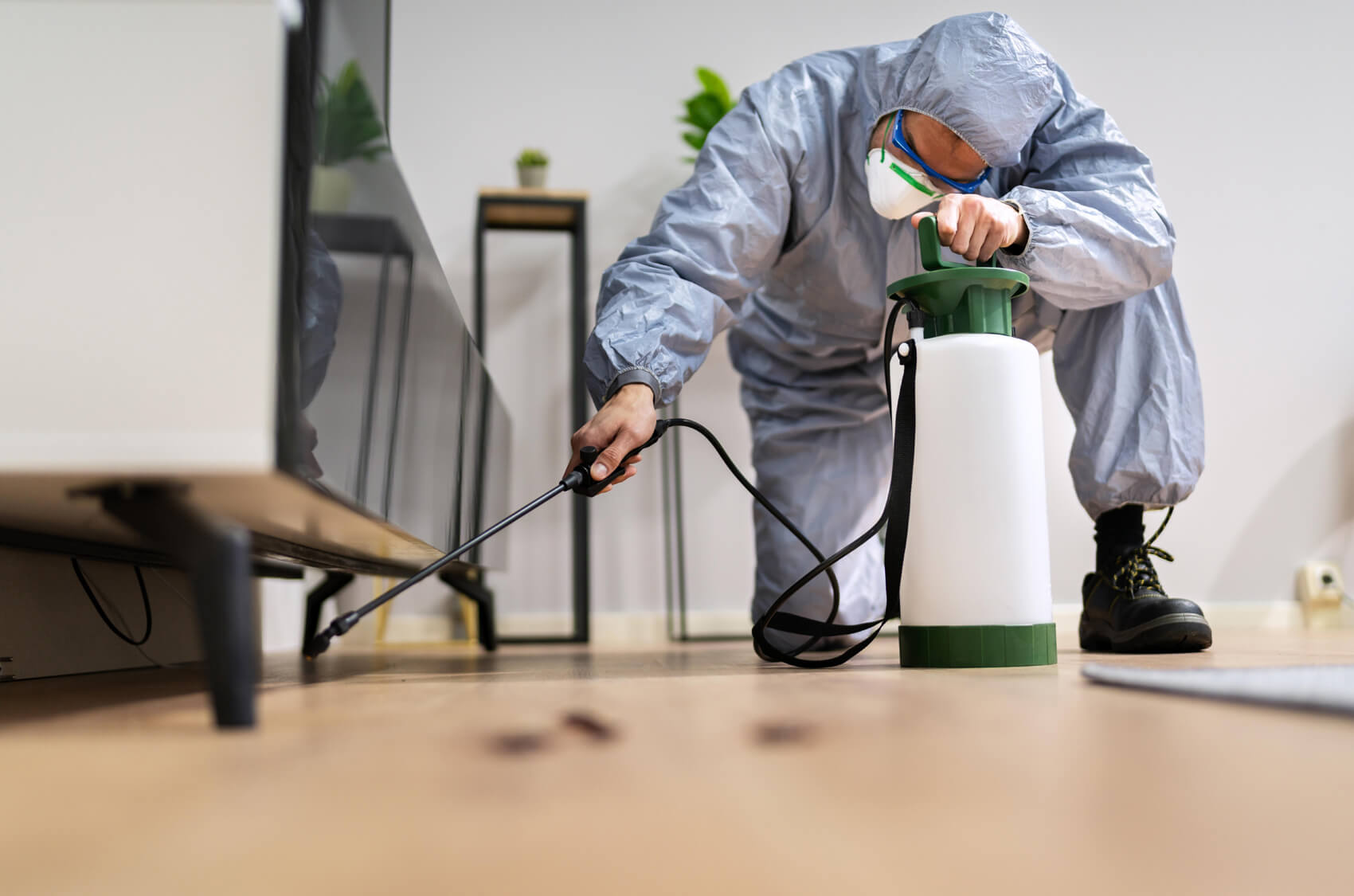
Insects can be a regular home, office, shop, restaurant, warehouse, school, hospital, and industrial space problem. If a few insects are found at first glance, they may not be much of a problem, but if they are found repeatedly, there may be food, water, shelter or breeding areas found close by.
Many insects can grow in warm weather, humid conditions, food sources, leakage of water, open drains, and waste accumulation, or in small cracks. If insects have located a suitable habitat for survival and reproduction, merely cleaning may not be sufficient to control the problem.
The best insects control service in Ahmedabad will be able to detect the type of insect, the places where it is active and choose the treatment method according to the insect’s infestation. The right strategy should not only involve seeking out the visible insects, but also the conditions that enable their return.
This guide explains common household and commercial insects, how professional insect control treatment works, preparation steps, prevention methods, treatment frequency, cost factors and when professional help may be required.
What Is Insect Control Treatment?
Insect control treatment is a systematic process to control unwanted insects in indoor or outdoor spaces. Treatment can include inspection, identification, application, monitoring, sanitation recommendations and prevention.
Treatment depends on the type of insect. Not all cockroaches, ants, flies, mosquitoes, silverfish, spiders and other insects are alike, and treating them all with the same method might not yield the desired results.
The first step in a professional Insects Control Treatment in Ahmedabad is an inspection. Technician inspects the location of insect sightings, inspects for insect hiding or breeding locations, and reviews food sources, moisture, and entry points.
Signs That You May Need Insect Control
Not all insects seen are necessarily a serious infestation. Repeated signs should be investigated, however. Look for the following warning signs:
- Insects appearing regularly
- Insects seen during both day and night
- Increasing numbers of insects
- Insects appearing in several rooms
- Droppings or small marks near hiding areas
- Egg cases or larvae
- Repeated insect trails
- Unusual odours
- Insects near drains or waste areas
- Damage to stored food or materials
- Insects returning after basic cleaning
For instance, if you occasionally see ants around a window, it is not necessarily a big issue. If ants are coming back to the same wall or are seen near food storage areas, however, there could be a point of entry or a nearby nest.
Likewise, if cockroaches are sighted in kitchens or storage spaces often, it may mean they are active in hidden areas.
Why Identification Matters
Different insects require different approaches. For example:
- Ants may require treatment around trails, entry points and nesting areas.
- Cockroaches often hide in kitchens, drains, cracks and dark spaces.
- Mosquitoes are strongly connected to standing water and breeding sites.
- Flies are often associated with waste, food and drainage problems.
- Silverfish may be found in damp, dark areas.
- Spiders may increase where other insects provide a food source.
Correct identification helps determine where treatment should be concentrated.
Common Insects Found in Homes and Businesses
Insect issues may differ from building to building. Insect activity can be affected by the age of the building, the surrounding environment, cleanliness, wetness, and the amount of food available. Below are some of the most common insect issues, which may need a professional solution.
1. Cockroaches:
Cockroaches are among the most common indoor pests. They often hide in kitchens, cabinets, drainage areas, cracks, wall gaps and other dark locations. You may notice:
- Cockroaches at night
- Droppings in cabinets or corners
- Unpleasant odour
- Egg cases
- Cockroaches near sinks or drains
A proper treatment focuses on active areas and possible hiding places rather than only treating locations where cockroaches are visible.
2. Ants:
Ants can get in through very small cracks around doors, windows, walls and utility openings. They can be attracted to food crumbs, sweet things and moisture. One of the most commonly made errors is to only treat visible ants. The source of the ant trails can be helpful in making treatment more useful, as the trails can lead back to nesting and/or entry points. Keeping food sealed and cleaning spills quickly can help reduce ant activity.
3. Mosquitoes:
Standing water may lead to an increase in mosquito activity. Buckets, plant trays, clogged drains, abandoned containers, rooftops and other places can hold water. As a pest prevention measure, EPA recommends removing standing water and addressing food, water and shelter sources. Professional mosquito management includes inspecting areas for breeding and appropriate treatment based on location and activity.
4. Flies:
Flies can become a serious concern in kitchens, restaurants, food-related businesses, garbage areas and places with poor waste management.
Possible sources include:
- Open garbage
- Food waste
- Dirty drains
- Overripe food
- Organic waste
- Poorly maintained waste storage areas
Treating adult flies without addressing the source may provide only temporary relief. Source management is an important part of long-term control.
5. Silverfish:
Silverfish are tiny bugs that like dark and moist environments. They can be located near bathrooms, storage areas, books, paper products and other damp locations. Decreasing humidity levels, fixing any leaks and improving ventilation will help limit conditions that are favourable for the silverfish.
6. Spiders:
Spiders can get into homes, offices, warehouses and other buildings through openings or stay where other insects are available as food. This means that controlling spiders may be more than just getting rid of spider webs. Minimizing insect activity and closing any possible access points is also beneficial.
7. Other Crawling and Flying Insects:
In addition to insects like beetles, moths, wasps, gnats and other nuisance insects, depending upon the geographic location. Treatment will vary depending on species, area of infestation, activity of the species, and source of infestation.
How Insects Control Service in Ahmedabad Works
Treatment should be done by a professional and not on a routine basis. The following steps are common to a typical service.
Step 1: Inspection
The first step is to understand the problem. The technician may check:
- Rooms where insects are frequently seen
- Kitchen and food storage areas
- Bathrooms and drainage points
- Cracks and wall gaps
- Doors and windows
- Storage areas
- Waste disposal areas
- Moisture or water leakage
- Possible entry points
The inspection helps determine where insect activity is concentrated.
Step 2: Pest Identification
Before deciding on a treatment, the insect should be identified. This is significant because insects are known for their varied habits, hiding places and breeding cycles. Correct identification prevents unnecessary treatment in areas where it is not needed.
Step 3: Treatment Selection
The treatment method will vary based on the insect and location. Targeted applications, baiting, residual treatments, mechanical methods, monitoring, or other appropriate techniques may be used depending on the situation as determined by the pest professional. For some problems, prevention and sanitation are just as important as treatment.
Step 4: Applying Insect Treatment
Treatment should be directed to areas where insects are active or are likely to be found. The technician can treat appropriate cracks, crevices, corners, entry points or other areas that are identified.
Step 5: Monitoring and Follow-Up
In some cases, several visits or ongoing monitoring may be necessary to resolve insect infestations. This is especially critical in the case of insects that have concealed breeding habitats or when eggs and immature stages are not easily discernible.
Step 6: Prevention Advice
A good service should also explain how to reduce the conditions that attract insects. This may include:
- Sealing food properly
- Cleaning food spills
- Removing waste regularly
- Repairing water leaks
- Improving ventilation
- Removing standing water
- Sealing cracks and gaps
- Keeping storage areas clean
- Maintaining drains properly
This approach is consistent with IPM principles, where prevention is an important part of pest management.
Mechanical and Preventive Methods
Not every pest problem requires chemical treatment as the first step. Possible preventive measures include:
- Sealing gaps
- Repairing screens
- Improving drainage
- Removing standing water
- Improving waste management
- Cleaning food storage areas
- Removing clutter
- Improving ventilation
Why Insects Keep Coming Back After Treatment
Seeing insects again after treatment does not always mean that the treatment was ineffective. There can be several reasons for recurring activity.
Food and Water Sources:
Uncovered food, food waste, leaking taps, damp areas and standing water can continue to attract insects.
Entry Points:
Small openings around windows, doors, pipes and utility lines can provide access.
Hidden Breeding Areas:
Some insects reproduce in locations that are difficult to notice during a normal inspection.
Nearby Infestation:
In apartments, offices and commercial buildings, insects may move between connected areas.
Poor Sanitation:
If food waste, garbage, moisture or drainage issues remain, insects can continue to find suitable conditions.
How to Prepare for Insects Control Treatment
Proper preparation can make the service easier and help technician’s access important treatment areas. Before the visit:
- Clean visible food spills and crumbs.
- Store food in sealed containers.
- Remove unnecessary clutter from treatment areas.
- Keep children and pets away from the treatment area as instructed.
- Inform the technician about sensitive areas or specific concerns.
- Repair or report water leakage where possible.
- Follow any preparation instructions provided by the pest control professional.
After treatment, follow the technician’s instructions regarding ventilation, cleaning and re-entry.
Insect Control for Homes, Offices and Commercial Spaces
The requirements for insect control can be different depending on the type of premises.
Residential Insect Control: Homes may experience cockroaches, ants, mosquitoes, flies, spiders and other nuisance insects. Common treatment areas include:
- Kitchens
- Bathrooms
- Bedrooms
- Balconies
- Utility areas
- Storage spaces
- Drains
- Entry points
Regular cleaning and moisture control can help reduce future insect activity.
Office Insect Control:
Offices have kitchens, cafeterias, storage rooms, washrooms and multiple entry points that can support insect activity. A treatment plan may need to consider employee movement, working hours and areas where food is consumed.
Restaurant and Food Business Insect Control:
Restaurants and food businesses require careful pest management because insects can affect hygiene and food-handling areas. Food should be stored correctly, waste should be removed regularly and drains should be maintained properly. Professional monitoring can also help identify activity before it becomes a larger issue.
Warehouse and Industrial Insect Control:
Warehouses and industrial facilities may have large storage areas, loading zones, waste areas and multiple access points. In these locations, pest management may need regular inspection and monitoring rather than occasional treatment alone. GUJARAT PEST CONTROL SERVICES currently lists residential, commercial and industrial pest management among its service areas and lists sectors such as food, healthcare, education, pharma and infrastructure.
How Much Does Insects Control Treatment Cost in Ahmedabad?
The cost of insects control treatment Ahmedabad can vary from one location to another. There is no single fixed price because several factors can affect the treatment requirement.
Important factors include:
- Type of insect
- Size of the area
- Level of infestation
- Treatment method required
- Number of treatment visits
- Accessibility of affected areas
- Residential or commercial use
- Follow-up or maintenance requirements
How Often Should Insect Control Be Done?
The required frequency depends on the type of pest and the environment. For a home with limited pest activity, treatment may be occasional. Where insect activity is recurring, more regular monitoring or treatment may be required. Commercial locations may need more frequent pest management because of:
- Regular food handling
- Higher foot traffic
- Larger storage areas
- Waste generation
- Multiple entry points
- Continuous operating hours
GUJARAT PEST CONTROL SERVICES states on its website that pest control for many homes is recommended on a 3–6 monthly basis, while commercial premises may require treatment that is more frequent. When looking for an insects control service Ahmedabad, do not select a service only by comparing prices.
DIY Insect Control vs Professional Treatment
DIY products can sometimes help with a small and clearly identified insect problem. However, repeated infestations can be harder to manage without identifying the source.
Professional treatment may be useful when:
- Insects appear repeatedly.
- The infestation is spreading.
- The source is difficult to identify.
- Insects are present in kitchens or commercial areas.
- DIY products have not solved the problem.
- The infestation involves hidden areas.
- You are unsure which insect you are dealing with.
The EPA recommends considering professional assistance when an infestation is difficult to manage and emphasizes using an integrated approach rather than relying on pesticides alone.
Simple Ways to Prevent Insect Infestations
Professional treatment can address an existing problem, but daily prevention can reduce the chances of recurring activity.
Keep Food Covered:
Store food in closed containers and clean crumbs and spills quickly.
Manage Waste Properly:
Use closed bins and remove waste regularly, especially in kitchens and food businesses.
Fix Water Leaks:
Moisture can create favourable conditions for several insects. Repair leaking taps, pipes and other water sources.
Remove Standing Water:
Check plant trays, containers, drains, rooftops and outdoor areas for stagnant water.
Seal Cracks and Gaps:
Inspect gaps around doors, windows, pipes and utility openings.
Keep Storage Areas Clean:
Avoid unnecessary clutter and inspect stored items regularly.
Maintain Drains:
Dirty or blocked drains can contribute to fly and cockroach problems. These simple measures support the prevention side of integrated pest management.
When Should You Call a Professional?
You should consider professional insects control treatment in Ahmedabad when insect activity becomes regular, spreads to multiple areas or continues despite basic cleaning and prevention. Professional assistance is especially useful when:
- You see insects every day.
- Insects are appearing in multiple rooms.
- You notice nests, egg cases or repeated breeding activity.
- Food storage or business operations are affected.
- You cannot identify the insect.
- The infestation keeps returning.
- The problem is affecting a large commercial or industrial area.
Early attention can make it easier to identify the source and decide on an appropriate treatment plan. For more information about available pest management services, visit the GUJARAT PEST CONTROL SERVICES.
Final Thoughts
Insect problems should not be addressed only when the number of visible insects becomes high. Regular sightings can indicate that food, moisture, shelter or entry points are supporting insect activity.
A reliable insects control service in Ahmedabad should begin with proper inspection and identification. The treatment should then be selected according to the insect, infestation level and location.
Prevention is equally important. Keeping food sealed, managing waste, fixing leaks, removing standing water and sealing entry points can help reduce conditions that attract insects.
Whether the problem is in a home, office, restaurant, warehouse or industrial facility, the right approach combines inspection, suitable treatment, monitoring and practical prevention.
FAQs about Insects Control Service in Ahmedabad
An insects control service is a professional pest management service that identifies unwanted insects and applies suitable methods to control their activity. The treatment may include inspection, targeted treatment, and monitoring and prevention advice.
Depending on the service and infestation, professional insect control may address cockroaches, ants, mosquitoes, flies, silverfish, spiders and other nuisance insects. The treatment method depends on the specific pest.
Treatment generally starts with inspection and pest identification. The technician then identifies activity areas, selects an appropriate treatment method and provides prevention or follow-up recommendations where needed.
The cost depends on the insect type, area size, infestation level, treatment method and number of visits required. An inspection can help determine the appropriate treatment and estimate.
Yes. Insect control can be planned for offices, cafeterias, washrooms, storage areas and other suitable locations. Treatment should be scheduled to reduce disruption to employees and daily operations.
Insects may return when food, water, moisture, shelter or entry points remain available. Nearby infestations can also contribute to recurring activity. Identifying and correcting these conditions is an important part of long-term pest management.
The suitable option depends on the problem. DIY treatment may be sufficient for some minor issues, but recurring, widespread or difficult-to-identify infestations may require professional inspection and treatment.
Yes. GUJARAT PEST CONTROL SERVICES lists Insects Control Service among its pest management services and provides pest control services for residential, commercial and industrial premises in Ahmedabad and Gandhinagar.
You can contact GUJARAT PEST CONTROL SERVICES to discuss the insect problem and arrange an inspection. The treatment recommendation can then be based on the insect type, affected area and infestation level.