
Bed Bug Control Service in Ahmedabad: Complete Treatment Guide
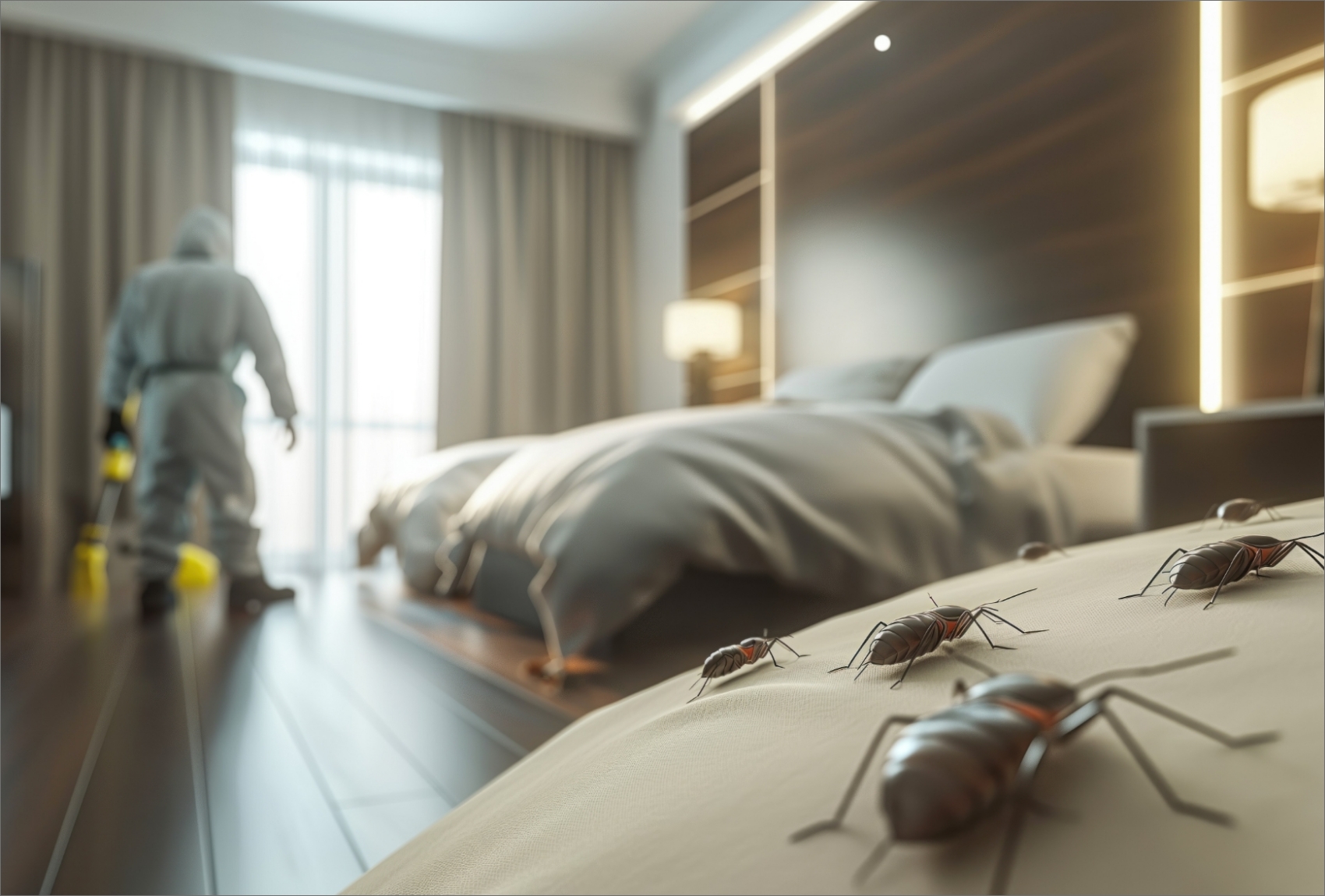
Bed Bugs are a small insect that can be a serious infestation problem in homes, hotels, hostels, offices, rented rooms and any other place where humans sleep or rest regularly. They like to nestle in mattress seams, bed frames, furniture joints, cracks, in curtains and other tight spaces. They are small and nocturnal, and an infestation may go undetected for a long period.
Two or more Bed Bugs does not mean that the problem is not contained to one area. Bed bugs can conceal themselves near sleeping areas and could slowly infest other furniture, rooms, luggage, clothing, etc. They can also hitch a ride on suitcases, furniture, bedding, boxes and clothes, moving from one location to another.
That is why it is important to have proper inspection and a planned treatment approach.
Knowing the signs of Bed Bug infestation, the treatment process, preparation and prevention measures can help you tackle the problem better if you are looking for bed bug control service in Ahmedabad.
This complete guide includes information about the basics of bed bug infestation, how professional treatments work, pre- and post-treatment steps, and steps you can take to reduce re-infestation.
What Are Bed Bugs?
Bed Bugs are insects that are small, flat, wingless, and feed on humans and animals. Bed Bugs are reddish-brown in colour, with younger bugs being lighter. They are nocturnal, hiding during the day and are often active at night when people are sleeping.
Bed Bugs are not an indicator of a dirty room or house. They can occur in clean homes, hotels, apartments, hostels, offices, and other locations. While cleanliness will reduce hiding places, it will not prevent bed bugs from getting into a building.
Bed bugs are also good hitchhikers. They can travel on:
- Luggage and travel bags
- Used furniture
- Mattresses and bed frames
- Clothing
- Bedding
- Boxes and stored items
- Backpacks and other personal belongings
Once they enter a suitable environment, they can hide in small cracks and gradually spread.
Why Bed Bugs Are Difficult to Control
The problem is not just to locate visible insects. Bed bugs can conceal themselves in hard-to-reach locations and their eggs can go undetected.
Common hiding locations include:
- Mattress seams and folds
- Bed frames and headboards
- Cracks in furniture
- Sofa seams
- Behind or underneath furniture
- Baseboards and wall gaps
- Curtains and curtain fittings
- Luggage and bags
- Cracks around electrical fittings
- Clutter near beds
To be successful, a treatment must include more than spraying a visible insect. The infestation needs to be assessed and treated systematically.
Common Signs of a Bed Bug Infestation
Early identification can make treatment easier. However, bed bug bites alone should not be used as the only way to confirm an infestation because skin reactions can vary from person to person.
Look for physical signs around sleeping and resting areas.
1. Live Bed Bugs
Adult bed bugs are small and reddish-brown. Younger insects are smaller and may be pale or translucent.
Check carefully around:
- Mattress edges
- Mattress stitching
- Bed frame joints
- Headboards
- Sofa seams
- Furniture cracks
A flashlight can help when inspecting dark or narrow spaces.
2. Small Blood or Rust-Coloured Spots:
Small reddish or rusty spots on bedsheets, mattresses, or nearby furniture can be an indication of bed bug activity.
These marks may occur when a bed bug is crushed after feeding or when small amounts of blood are left behind.
3. Shed Skin and Egg Evidence:
Bed bugs go through several growth stages. As they develop, they shed their outer skin.
You may notice:
- Pale shed skins
- Tiny eggs
- Egg shells
- Small clusters around hiding areas
Eggs are particularly important because visible adult insects may not represent the full infestation.
4. Unusual Musty Odour:
A noticeable sweet or musty smell may occur in heavier infestations, although smell alone is not enough to confirm bed bugs.
5. Repeated Bites or Itching:
Some people develop itchy marks after being bitten by bed bugs, while others may have little or no visible reaction.
Bed bug bites are generally not known to transmit disease, but scratching can lead to skin irritation and secondary infection.
If a skin reaction is severe, persistent, or shows signs of infection, medical advice should be considered.
Where Do Bed Bugs Usually Hide?
Bed bugs prefer locations close to people because they need a blood meal. This is why bedrooms and sleeping areas are common places to find them.
However, an infestation is not necessarily limited to the bed.
Bedroom Areas
Inspect:
- Mattress seams
- Box or bed base
- Headboard
- Bed legs
- Bedside tables
- Drawers
- Cracks in furniture
- Behind wall fittings
Living Rooms
Bed bugs can also hide in:
- Sofa seams
- Chairs
- Cushions
- Wooden joints
- Curtains
- Carpets
- Cracks near furniture
Travel Bags:
Luggage is an important source of accidental spread. After travelling, inspect bags carefully before storing them near beds or wardrobes.
Used Furniture:
Second-hand beds, mattresses, sofas, chairs, and other upholstered furniture can carry bed bugs into a new location. EPA guidance recommends checking second-hand furniture before bringing it into a home.
Bed Bug Control Service in Ahmedabad: Professional Treatment Process
A professional bed bug control service Ahmedabad approach should begin with inspection rather than immediate treatment.
The exact treatment method depends on the level of infestation, affected areas, construction of the room, furniture, and other site conditions.
A typical process may include the following steps.
Step 1: Detailed Inspection
The first step is to identify where bed bugs are hiding.
An inspection may cover:
- Mattress seams
- Bed frame
- Headboard
- Furniture
- Sofa and chairs
- Cracks and crevices
- Nearby storage areas
- Curtains
- Other suspected hiding points
The goal is to understand the extent of the infestation before deciding on treatment.
Step 2: Identify the Infested Areas
Bed bugs may be concentrated around one bed or may have spread to nearby furniture and rooms. The treatment area should therefore be based on inspection findings rather than assumptions. For example, if bed bugs are found around a bed and sofa, treating only the mattress may leave other hiding areas untreated.
Step 3: Prepare the Area
Proper preparation helps make treatment more effective. Depending on the situation, residents may be advised to:
- Remove unnecessary clutter.
- Keep clothing and bedding organised.
- Separate items that need treatment.
- Avoid moving untreated items into another room.
- Keep treated items sealed when necessary.
- Make furniture and bed areas accessible for inspection.
Moving infested belongings from one room to another can unintentionally spread bed bugs.
Step 4: Target Hiding Areas
Treatment should focus on locations where bed bugs are likely to hide rather than simply treating open floor space. Common target areas include:
- Mattress edges
- Bed frames
- Furniture joints
- Cracks
- Crevices
- Baseboards
- Upholstered furniture
- Other identified harbourage areas
Step 5: Use Appropriate Treatment Methods
A professional bed bug control treatment in Ahmedabad may involve chemical and/or non-chemical methods depending on the situation.
Integrated pest management combines inspection, monitoring, physical methods, prevention measures, and carefully selected pest-control treatments. EPA guidance recommends a comprehensive approach because bed bugs can be difficult to control with a single method.
Possible methods can include:
- Targeted insecticide application
- Vacuuming
- Steam or heat-based methods where appropriate
- Mattress encasements
- Bed bug interceptors
- Clutter reduction
- Monitoring and follow-up inspections
The appropriate method should be selected according to the infestation and site conditions.
Step 6: Follow-Up Inspection
Bed Bug Control may take some time. Eggs can be overlooked and the effectiveness of treatment will depend on getting to the appropriate life stage and hiding places.
According to EPA guidance, treatment may take time and ongoing monitoring is essential. A follow-up visit may be helpful to see if further treatment is needed.
Bed Bug Treatment Methods
There is no single method that is suitable for every infestation. A professional assessment helps determine the appropriate approach.
Chemical Treatment:
If the product is suitable for the use, targeted insecticide treatment is possible in appropriate areas. The professional application should be directed to the known hiding places and be carried out according to the instructions on the product label and the safety rules.
Spraying just when a Bed Bug is found can be ineffective in resolving the infestation. Use of pesticides repeatedly or incorrectly can also cause safety issues and can reduce effectiveness.
Heat Treatment:
Bed Bugs can be controlled by heat if appropriate equipment and techniques are available. Careful temperature management is essential in professional heat treatment, as the heat needs to be applied to the areas where bed bugs and eggs are found.
Relying on a home thermostat to raise the room temperature or on unsafe “home remedies” is not a good option. EPA explicitly cautions against unconventional heating techniques, as they may not be adequate to meet the requirements and can pose a fire hazard.
Steam Treatment:
If used properly, steam can be beneficial for proper surfaces and hiding places. It can be used to treat seams, cracks, furniture joints and other places where direct heat is reached by the insects.
When the infestation is widespread, however, steam treatment should be used in conjunction with a comprehensive control program.
Mattress Encasements:
Special bed bug mattress encasements can help to keep bed bugs contained within the mattress and limit hiding spots. The cover must be bed bug-proof and should not be ripped or torn. Damage or incorrect fitment can result in cover not providing the protection intended.
Vacuuming:
Some bed bugs can be physically removed by thorough vacuuming from accessible areas. Vacuum an infested area and then carefully dispose of the vacuum contents to prevent the escape of insects. EPA suggests proper disposal and sealing of vacuum contents.
What to Do Before Bed Bug Treatment
Preparation can make professional treatment easier and allow better access to hiding areas. Before treatment, ask the pest control professional for specific preparation instructions.
General preparation may include:
- Remove unnecessary items from around the bed.
- Keep clothing and bedding organised.
- Separate items that need washing or heat treatment.
- Avoid moving potentially infested items to other rooms.
- Keep cupboards and furniture accessible where inspection is required.
- Remove clutter from floors and around furniture.
- Inform the pest control professional about areas where bed bugs have been noticed.
- Follow any safety instructions provided before treatment.
EPA recommends using sealed bags when moving potentially infested items for cleaning or treatment so that bed bugs are not carried to other areas.
What to Do After Bed Bug Treatment
Treatment does not mean that you should immediately assume the infestation is completely gone. Follow the instructions provided by the pest control professional.
Continue Monitoring: Check the treated area regularly for signs of activity. Monitoring can include checking:
- Mattress seams
- Bed frame
- Bed legs
- Furniture
- Interceptors
- Other previously affected areas
Monitoring helps identify whether additional action is required.
Avoid Moving Infested Items:
Do not move furniture, bedding, bags, or other items from a treated room into another room unless advised to do so. This can spread bed bugs to previously unaffected areas.
Keep the Bed Isolated:
Where appropriate, keeping the bed slightly away from walls and ensuring bedding does not touch the floor can help reduce opportunities for bed bugs to reach the bed. Bed bug interceptors placed under bed legs can also assist with monitoring.
Follow the Recommended Follow-Up Schedule:
Bed bug treatment may require follow-up depending on the infestation and treatment method. Do not carry out additional pesticide applications on your own unless the product is appropriate and you can safely follow its label instructions.
Common DIY Bed Bug Control Mistakes:
Many people try to solve bed bug problems quickly, but some common approaches can make control more difficult.
Spraying Randomly:
Spraying visible insects without inspecting their hiding places may leave eggs and hidden insects untreated.
Using Too Much Insecticide:
More pesticide does not automatically mean better control. Incorrect use can create unnecessary exposure and safety risks.
Using Household Space Heaters:
Household heaters are not a safe substitute for professional heat treatment. They may fail to create the required conditions throughout the affected area and can create fire hazards.
Moving Furniture to another Room:
Moving an infested mattress, sofa, or other furniture without treatment can spread bed bugs.
Throwing Away Everything:
Not every infested item needs to be discarded. Many items can be treated successfully. EPA recommends considering treatment options before throwing away furniture or belongings because disposal can be expensive and may spread the infestation if items are discarded improperly.
How to Prevent Bed Bugs from Returning
Prevention is especially important after treatment.
Inspect Luggage after Travel:
When returning from a trip, inspect luggage, bags, and clothing before placing them near beds or wardrobes.
Check Second-Hand Furniture:
Before purchasing used beds, mattresses, sofas, chairs, or other furniture, inspect them carefully for signs of bed bugs.
Reduce Clutter:
Clutter provides additional hiding places and can make inspection and treatment more difficult. Keep areas around beds and furniture reasonably clear.
Wash and Heat-Dry Suitable Items:
Bedding, clothing, and other washable items can be washed and appropriately heat-dried. EPA notes that washing alone may not reliably kill bed bugs, while suitable high-heat drying can be useful for affected fabrics.
Inspect Regularly:
Regular inspection is especially useful if you travel frequently, live in shared accommodation, or have previously experienced bed bugs. Early detection can help prevent the infestation from becoming more widespread.
Bed Bug Control for Homes, Hotels and Other Places
Bed bugs are not limited to residential homes.
A Bed Bug Control Service Ahmedabad may be needed in different types of spaces, including:
- Houses
- Apartments
- Rental rooms
- Hostels
- Hotels
- Guest houses
- Paying guest accommodations
- Offices
- Dormitories
- Hospitals and care facilities
- Furniture and storage areas
The treatment approach may vary depending on the size of the space, number of rooms, furniture, occupancy, and extent of the infestation.
For hotels, hostels, and shared accommodation, early inspection is particularly important because bed bugs can potentially move between rooms or travel with guests’ belongings.
Bed Bug Control Treatment Cost in Ahmedabad
The cost of bed bug control treatment Ahmedabad can vary from one location to another. There is no single fixed price that applies to every infestation because treatment requirements can be different.
The cost may depend on:
- Size of the affected area
- Number of rooms
- Level of infestation
- Number and type of furniture items
- Treatment method required
- Number of treatment visits
- Follow-up requirements
- Accessibility of affected areas
A proper inspection can provide a more accurate understanding of the treatment requirement and estimated cost.
If you are comparing service providers, do not consider price alone. Ask what the service includes, whether inspection is provided, what preparation is required, what treatment method will be used, and whether follow-up support is available.
When Should You Contact a Professional?
Professional help should be considered when:
- You repeatedly find live bed bugs.
- Bed bugs are present in multiple rooms.
- DIY treatment has not solved the problem.
- You find eggs or shed skins.
- The infestation keeps returning.
- Bed bugs are present in a hotel, hostel, rental property, or shared accommodation.
- You are unsure where the insects are hiding.
- You want a planned inspection and treatment approach.
Bed bugs can be difficult to control because they hide in small spaces and may survive unnoticed. A professional inspection can help identify affected areas and determine a suitable treatment plan.
Why Professional Bed Bug Control Is Important
A professional service can provide a more systematic approach than treating only the insects that are visible.
A proper service may involve:
- Detailed inspection
- Identification of hiding areas
- Treatment planning
- Targeted application
- Advice on preparation
- Post-treatment instructions
- Monitoring
- Follow-up treatment when required
The exact service will depend on the infestation and the conditions at the site.
For homeowners and businesses in Ahmedabad looking for professional pest management, you can visit the GUJARAT PEST CONTROL SERVICES to check available pest control services and request further information.
Final Thoughts
Bed bugs are a nuisance to deal with because they are small, hard to find, and can hide in many places. However, if a structured approach is used, the problem can be easier to handle.
It is important to not just depend on insects that can be seen, or simply spray them once. Begin with a thorough inspection, determine potential hiding spots, prepare the treatment area, select the correct treatment method and follow up after treatment.
For bed bug control service in Ahmedabad, hiring a professional for inspection and treatment can help determine the severity of the infestation and offer a viable solution depending on the size of the area. To know more about pest management services in Ahmedabad and Gandhinagar, visit GUJARAT PEST CONTROL SERVICES.
FAQs about Bed Bug Control in Ahmedabad
Common signs are live bed bugs, small blood or rust coloured marks, shed skins, eggs and signs around the seams of mattresses and furniture. Sometimes bites can occur as well, but bites do not mean infestation.
Yes, Bed Bugs can hide in bed frames, head boards, furniture, sofas, cracks, base boards, luggage and other areas adjacent to where people sleep or rest.
Professional treatment may be helpful if the infestation is well established, extensive, hard to find or has not responded to home treatment. Professional inspection can be useful in finding where the infestation is hiding and in determining an appropriate treatment plan.
Yes. If there are any insects or eggs left behind, if they are not treated everywhere they hide or if bed bugs are brought in from elsewhere. It is important to continue monitoring and following post-treatment instructions.
Treatment time varies with the extent of infestation, location of infestation, treatment method and follow-up needs. Some situations may require more than one visit.
Yes. Bed bugs are able to spread from room to room and can be carried on clothing, suitcases, furniture, bedding, and other items. That is why it is important to not move untreated items from room to room.
The cost will vary based on the size of the infestation, the number of visits needed, the treatment method, the furniture and the level of infestation. An inspection will assist in deciding the type of treatment and approximate cost.
A spray will kill bed bugs only if it comes in direct contact with them, but if they are hidden, they will not be killed. Effective control of Bed Bugs is best achieved by a combination of inspection, physical control measures, targeted treatment and monitoring.
Check luggage after travel, inspect second-hand goods before entering the house, minimise clutter, regularly inspect sleeping spaces, and adhere to all post-treatment advice.